Author : Dr. Mamat Hamidi Kamalludin
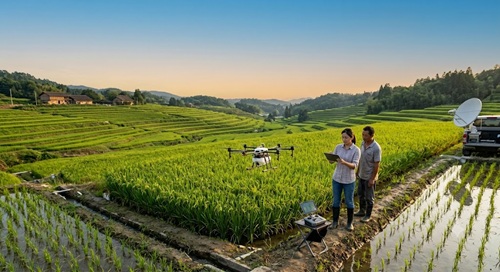
The government has established a goal through the National Agro-Food Policy (DAN 2.0) to achieve a self-sufficiency rate (SSL) of 50% for livestock products, including beef and buffalo, by the year 2025. In 2020, the SSL for beef and buffalo was recorded at 20.19%, while that for goat and sheep was 8.21%. The emphasis on ruminant livestock arises from its significantly lower SSL in comparison to non-ruminants, such as chicken, which surpasses 100%. To meet the DAN 2.0 SSL objective for beef and buffalo, production levels must be more than doubled.
 Courtesy Picture : Google
According to the definition of the Food and Agriculture Organization (FAO), food security of a country implies that all citizens have access to adequate, safe, and nutritious food necessary for a healthy and active lifestyle. To achieve the sufficiency aspect in the definition of food security, food availability or the physical existence of food is one of the main factors that depends on domestic production, food stocks and imports.
One of the issues highlighted in DAN 2.0 is the reliance on imported livestock feed ingredients. The livestock industry has faced significant challenges due to the depreciation of the Malaysian ringgit, leading to increased costs for imported goods typically traded in foreign currencies, particularly the US dollar. The rising costs of essential livestock feed components, such as corn and soybean meal, have escalated the overall expenses associated with raising livestock, including chickens, cattle, and goats.
The number of livestock needs to be increased to meet the needs of the population and increase the SSL of the livestock sector. Concurrently, it is essential to ensure the availability of high-quality feed in sufficient quantities and at competitive prices to maintain low production costs and affordable selling prices for consumers. Feed expenses generally constitute 70% of the total costs of livestock production.
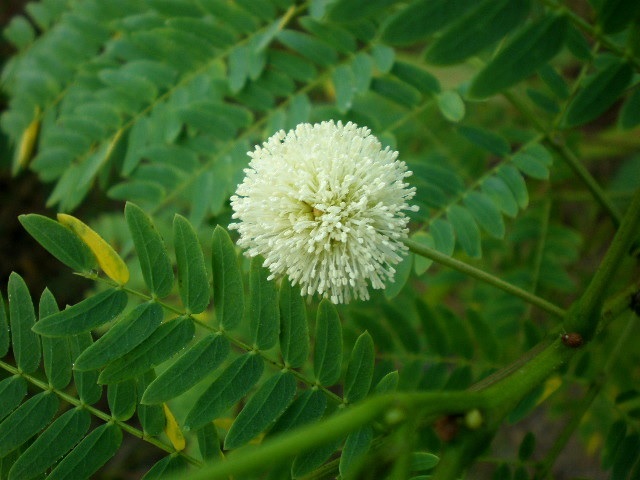
To mitigate the costs associated with livestock feed, it is advisable to substitute imported basic ingredients with local alternatives. Plants such as petai belang, jackfruit leaves, moringa leaves, and koro beans have been reported to possess high nutritional content compared to grass, especially protein, which is important for livestock growth. These plants are suitable as the main source of food for ruminant livestock, replacing imported corn and soybean meal.
In this context, the government and relevant agencies have taken steps to provide livestock feed, including the corn plant and Napier grass project, aimed at decreasing the reliance on imported materials. However, projects like this require a large planting area to ensure that it is economically scalable for entrepreneurs.
Highly nutritious livestock feed crops, such as petai belalang and others, can be cultivated part-time which does not require a large area, thereby supporting the government's strategy for livestock feed production. These crops can be cultivated collectively within districts or villages, engaging local residents on a small scale based on the available land. Coordination regarding the type of crop for each area or district is essential to ensure a consistent and adequate supply, whether for fresh consumption or processed material.
Date of Input: 14/05/2025 | Updated: 14/05/2025 | s_hasimah
MEDIA SHARING