Yeong Sheng Tey, Mark Brindal, Suryani Darham and Syahaneem Mohamad Zainalabidin
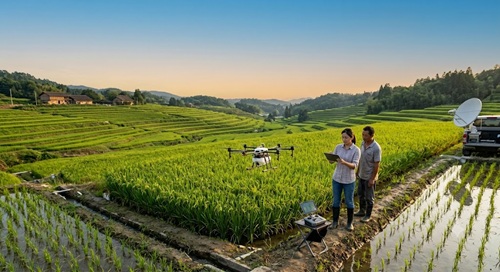
Imagine a world in which farmers use technology to navigate the challenges of a changing climate. This vision is becoming a reality as a wave of innovative agricultural solutions emerges. We recently embarked on a journey through the landscape of agricultural adaptation, discovering the most recent advancements that have the potential to transform the way we farm.
Greenhouse technology leads the way in agricultural adaptation. Over the last six decades, greenhouse agriculture has progressed from humble beginnings to sophisticated systems outfitted with solar-powered sensors and IoT-enabled management platforms. These innovations enable farmers to cultivate crops in controlled environments, shielding them from the effects of weather extremes.
Composting, once a simple practice, has blossomed into a field of organic fertilizer technology with enormous potential. From nutrient-rich compost blends to microbial supplementation, researchers are pioneering new approaches to improving soil fertility and promoting sustainable agriculture. As we delve deeper into the world of organic fertilizers, we discover a tapestry of innovations aimed at increasing crop yields while reducing environmental impact.
In the search for climate-resilient crops, biotechnology emerges as a game changer, providing farmers with a lifeline in times of adversity. Researchers are creating cultivars with traits that can withstand changing climatic conditions using genetic manipulation and plant breeding. This combination of biotechnology and greenhouse technology ushers in a new era of crop resilience, laying the groundwork for a sustainable agricultural future.
As we look ahead, a new frontier emerges in the landscape of agricultural adaptation: resource restoration innovation. From afforestation to soil conservation, these nature-based strategies supplement technological interventions, providing comprehensive solutions to the challenges posed by climate change. These innovations, by restoring ecosystems and increasing biodiversity, have the potential to strengthen agricultural systems around the world.
As we reflect on temporal technological development (in https://doi.org/10.1007/s11027-024-10111-x), one thing becomes abundantly clear: the future of agriculture is at the crossroads of technology and nature-based solutions. By leveraging the power of innovation, we can create a sustainable agricultural ecosystem capable of weathering the storms of climate change.
As researchers, policymakers, and farmers collaborate in the pursuit of resilience, we are on the verge of a new era in agriculture—one in which innovation reigns supreme and the seeds of change blossom into a harvest of hope.
Keywords: Climate change; adaptation; technology; intellectual property; climate-smart agriculture
Date of Input: 05/06/2024 | Updated: 26/11/2024 | noorbaiti
MEDIA SHARING